Loading...
Serving Burlington, VT and surrounding areas. (802) 307-1480
If your walls are empty or under-insulated, your furnace is fighting Vermont winters with one hand tied behind its back. We fill wall cavities in existing homes - no tearout required - so every room stays warm and your heating bills come down.
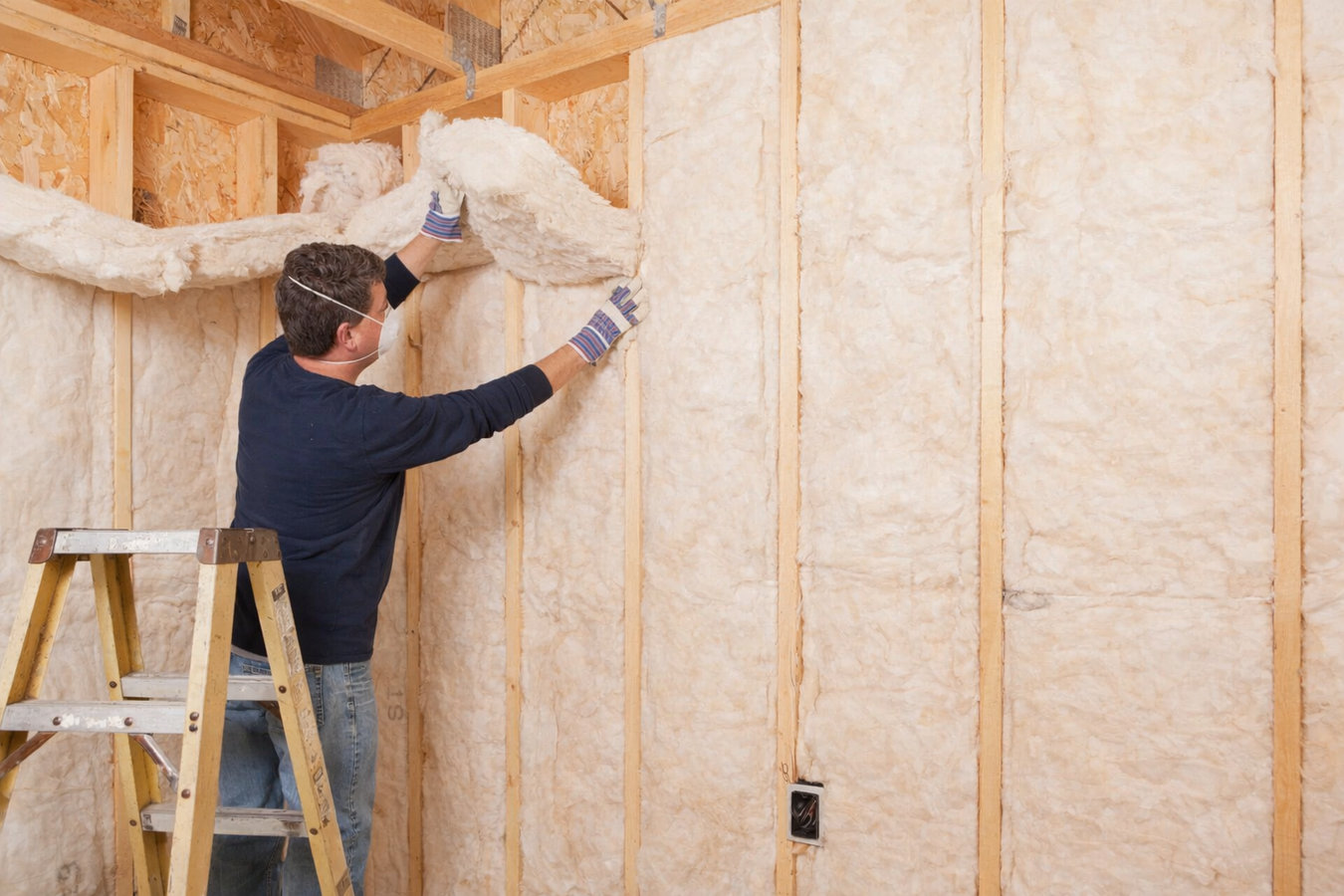
Wall insulation in Burlington fills the cavities inside your exterior walls to slow heat loss - most blown-in jobs on a single-family home are completed in one to two days without opening your walls. It is one of the most cost-effective upgrades a Vermont homeowner can make, because your walls are one of the largest surfaces your furnace is fighting against every winter.
A large share of Burlington homes were built before the 1980s, when wall insulation standards were far lower than they are today. Many of those homes have empty wall cavities or materials that have settled and lost their effectiveness over the decades. If your home falls in that category and you have not had wall work done recently, there is a good chance heat is escaping right through your walls every night. For homes that also have air leakage around outlets, baseboards, and framing gaps, pairing wall insulation with our air sealing services gets you the most noticeable improvement in comfort and energy costs.
Stand near an exterior wall on a cold January day and press your hand flat against it. A well-insulated wall should feel roughly room temperature. If it feels cold - or if you feel a draft near outlets and switch plates on exterior walls - the wall cavity behind it likely has little or no insulation. This is common in Burlington homes built before the 1970s.
If your winter heating bills seem out of proportion to the size of your house, under-insulated walls are one of the most common culprits. Burlington's heating season runs from October through April, and a home losing heat through empty wall cavities will run its furnace far more than it should. Comparing your bills to neighbors with similar-sized homes is a useful gut check.
Burlington has a large stock of pre-war and mid-century homes built when wall insulation was minimal or nonexistent. If your home was built before 1980 and has never had insulation work done, the odds are high that your exterior walls are either empty or filled with materials that have settled and lost their effectiveness over the decades.
Burlington's prevailing winter winds come from the northwest, and homes with walls facing that direction take the hardest beating. If one or two rooms are consistently harder to heat than the rest - even with the thermostat turned up - the walls on the cold-weather side of the house are the first place to look.
We install blown-in insulation for existing finished walls - the approach that lets us fill wall cavities without tearing out drywall or siding. For homes undergoing a renovation where walls are already open, we also install batt insulation cut to fit between wall studs. Both methods work well. The right choice depends on whether your walls are already drywalled and whether you want to avoid the disruption of a tearout. For most Burlington homeowners with finished walls who are not mid-renovation, blown-in is the practical and cost-effective path. We also recommend pairing wall work with blown-in insulation in the attic to address heat loss from multiple directions at once.
Before we fill anything, we assess your walls for signs of moisture or existing damage. Burlington's older homes sometimes have moisture management quirks that need addressing before insulation goes in - adding insulation to a wet wall cavity can cause mold or rot over time. After the work is done, we use a thermal camera to confirm coverage, so you have real evidence the job was done properly and every cavity is filled. Vermont homeowners may also qualify for Efficiency Vermont rebates that can meaningfully reduce what you pay out of pocket.
Best for finished walls in existing homes - fills cavities through small drilled holes with no need to open walls.
Best for open-wall renovations where wall studs are exposed and insulation can be installed by hand.
A blown-in method that packs material firmly into cavities, preventing settling and maintaining R-value over time.
Best for older Burlington homes where moisture conditions need to be confirmed before insulation goes in.
Burlington averages around 60 inches of snow per year and regularly sees temperatures drop below zero in January and February. That kind of cold puts real pressure on under-insulated walls - heat escapes faster, your furnace runs longer, and your energy bills climb. Burlington's housing stock makes this especially common. Much of the residential housing here was built before modern insulation standards existed, and many homes were constructed with little or no wall insulation. If your home was built before the 1980s and has never had insulation work done, there is a good chance your exterior walls are either empty or filled with materials that have settled over the decades. Vermont is also one of the few states with a statewide energy efficiency utility - Efficiency Vermont - that offers direct rebates to homeowners who insulate their walls, making this upgrade more affordable here than in most states.
We work on homes throughout the greater Burlington area. Homeowners in Williston and Shelburne call us regularly for the same problems - older wood-frame homes with walls that have never been touched since they were built, and heating bills that do not match the square footage. The solution is almost always the same: fill the cavities, confirm coverage with a thermal camera, and let the home finally hold heat the way it should.
We will ask a few basic questions about your home - age, whether you have had insulation work done before, and what is prompting you to call. We reply within 1 business day and can usually schedule an in-home visit within a week or two.
We walk your exterior walls, check for moisture or existing damage, and assess what is currently in your cavities - sometimes using a thermal camera or probe. You get a written estimate explaining exactly what we recommend and why, with no obligation.
We drill small holes in each wall cavity, fill them with blown-in material using a hose and blowing machine, then patch and paint the holes when the work is done. You can stay home. Most homeowners are surprised by how manageable the process is.
After installation we use a thermal camera to confirm every cavity is filled - no gaps, no voids. We provide documentation of the work, which you will need if you apply for Efficiency Vermont rebates. Some contractors handle that paperwork directly on your behalf.
Free estimate. No pressure. We explain every option before you commit to anything.
(802) 307-1480After we finish, we run a thermal camera scan to confirm every wall cavity is fully filled. You get real evidence the job was done right - not just our word for it. That documentation also supports your Efficiency Vermont rebate application.
Most of the homes we work on in Burlington were built before 1960. We know the moisture quirks, balloon-frame cavities, and construction details specific to Vermont's older housing stock. We assess before we recommend - so you are not trading a cold house for a moldy one.
Vermont is one of the few states with a dedicated energy efficiency utility that offers rebates for wall insulation. We work within that program and can guide you through what you qualify for before you decide. A project that seems expensive on the surface is often meaningfully more affordable after rebates.
We assess your walls as part of your home's overall thermal envelope - not in isolation. That means we flag air sealing needs, moisture concerns, and other issues that affect how well your insulation performs. For more on national standards for this approach, see the Building Performance Institute.
Every wall insulation job we complete is backed by thermal camera verification and written documentation. Burlington homeowners get a clear record of exactly what was installed - useful for rebate applications and reassuring when the next heating bill arrives.
Closing the gaps and cracks that let conditioned air escape - the partner service that makes wall insulation work harder.
Learn moreLoose-fill insulation for attics and hard-to-reach spaces where batt insulation cannot be installed without a tearout.
Learn moreBurlington's heating season starts in October - the sooner your walls are insulated, the sooner your furnace gets a break. Call or request a free estimate today.