Loading...
Serving Burlington, VT and surrounding areas. (802) 307-1480
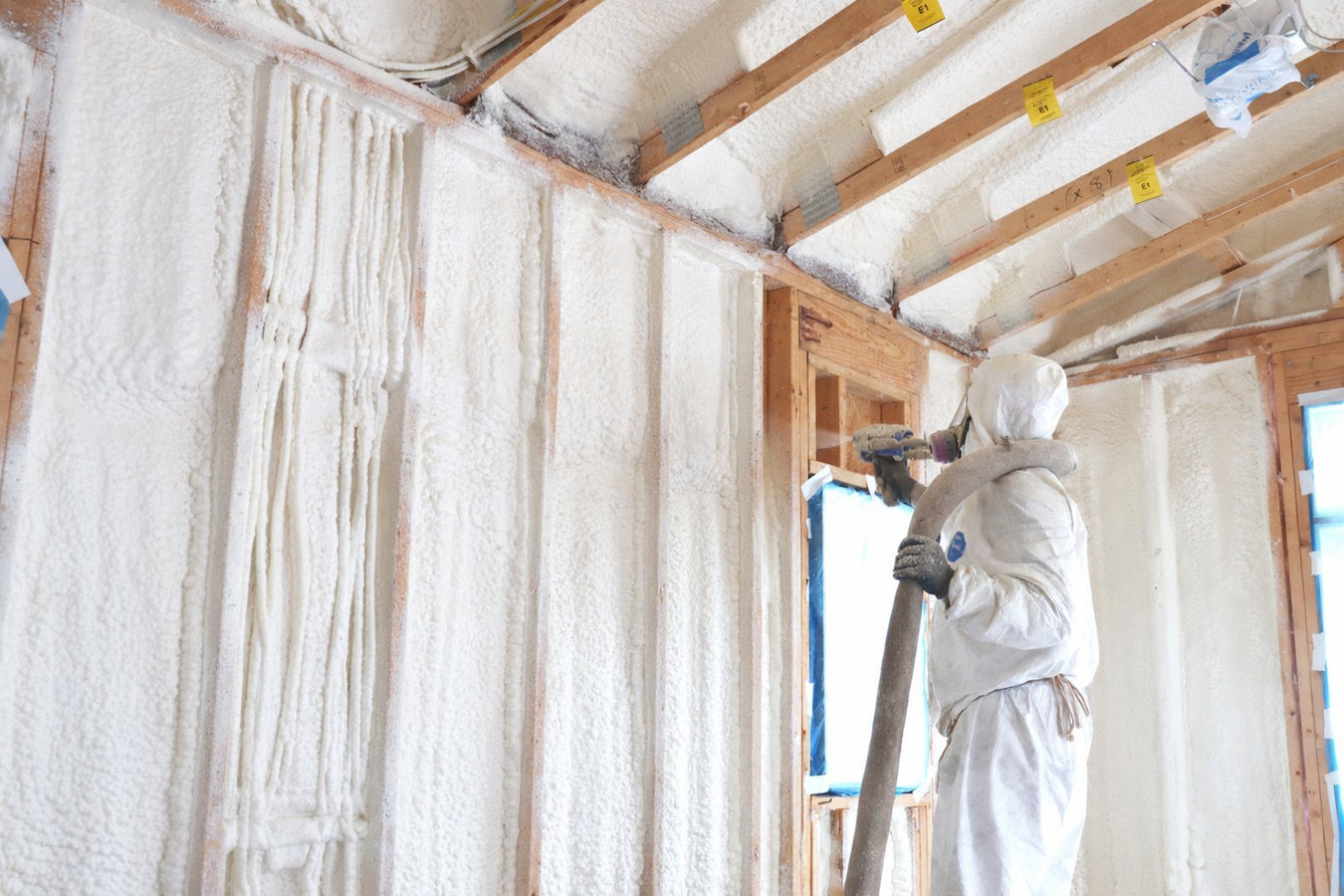
The highest-performing insulation per inch available - closed-cell foam seals air, blocks moisture, and holds heat through Burlington's longest and coldest winters.
Closed-cell foam insulation in Burlington stops heat loss and moisture intrusion in one step - a trained technician sprays it on as a liquid, it expands and hardens within seconds, and most residential jobs are completed in a single day.
Unlike fiberglass batts or blown-in insulation, closed cell foam insulation does two jobs at once: it slows heat from moving through your walls or roof, and it seals the gaps where cold air sneaks in. It also resists moisture vapor - which matters a great deal in Burlington homes with below-grade spaces that face real moisture pressure from Lake Champlain proximity and clay-heavy soils. Once hardened, the foam is rigid and permanent. It will not sag, shift, or compress over decades the way softer materials can.
Closed-cell foam is especially well matched with spray foam insulation projects in attics and crawl spaces where moisture resistance and maximum R-value per inch are both priorities.
If your utility bill has been creeping up year over year, or spikes dramatically every January and February, heat is escaping faster than your current insulation can stop it. Burlington's winters are long enough that even a modest improvement in heat retention shows up clearly on your utility bills within the first full heating season.
A bedroom above a garage, a room over a crawl space, or a finished attic room that never gets warm - these are classic signs of missing insulation in the transition zones. In Burlington's older homes, those areas were simply never insulated when the house was built, leaving cold spots that no amount of thermostat adjustment will fix.
When warm indoor air meets a cold, under-insulated exterior wall, moisture in the air condenses. Frost on window frames, damp spots on exterior walls, or a musty smell in your basement after a cold snap are all signs that moisture is reaching surfaces it should not. Burlington's freeze-thaw cycles make this problem progressively worse if it is not addressed.
Burlington's proximity to Lake Champlain and its seasonal humidity mean that below-grade spaces here are under constant moisture pressure. A persistent musty smell - even without visible mold - is a sign that moisture is moving through your foundation walls and being absorbed by whatever insulation or framing material is down there. Closed-cell foam applied to those surfaces stops moisture at the wall.
We apply closed-cell foam in the spaces where it makes the biggest difference: basement rim joists, foundation walls, crawl space floors and walls, attic rooflines, and exterior walls where maximum R-value per inch is essential. For rim joists - the area where your floor framing meets the foundation - closed-cell foam is our most common recommendation because it both insulates and air-seals in a single pass, eliminating the cold air infiltration that makes Burlington basements so uncomfortable in winter. We also pair closed-cell foam with open-cell foam insulation in cases where different areas of your home need different performance levels - using the right material in each location rather than treating every surface the same.
For larger projects involving the whole home's thermal envelope, we coordinate closed-cell foam work alongside spray foam insulation across attics, walls, and below-grade spaces. Vermont's building code requires that spray foam in living spaces be covered with a thermal barrier - typically drywall - and we factor that requirement into the project scope and timeline from the start. Every job includes a pre-installation walkthrough that checks for existing moisture damage, because foam applied over wet or rotting materials traps the problem instead of solving it.
Best for homeowners who want the highest-impact air sealing and insulation upgrade in the shortest time.
Suited for Burlington basements and crawl spaces where moisture resistance is as important as R-value.
Ideal for finished attic rooms or tight attic spaces where there is no room for the thickness that other materials require.
A strong option for Burlington's older homes where wall cavities are shallow but maximum performance is the goal.
Burlington averages around 80 inches of snow a year and regularly sees temperatures drop well below zero. That combination of heavy snowfall and sustained cold means that gaps in your insulation - even small ones - translate directly into high heating bills and uncomfortable rooms. Closed-cell foam addresses both heat loss and air infiltration in one application, which is why it tends to show a faster payback in Burlington's climate than in milder regions. Beyond the cold, Burlington's proximity to Lake Champlain and its freeze-thaw cycles create persistent moisture pressure on older homes - particularly in below-grade spaces. Traditional insulation in those areas absorbs moisture over time and can become a source of mold within just a few years. Closed-cell foam's built-in moisture resistance makes it the practical choice for basements and crawl spaces here. A large portion of Burlington's housing stock - particularly in the Hill Section, the Old North End, and the South End - dates from before modern energy standards, and closed-cell foam can be retrofitted into existing cavities without tearing out walls in many cases.
We serve Burlington and the surrounding area, including homeowners in Winooski and Shelburne, where similar pre-1980 housing stock faces the same cold-weather and moisture challenges as Burlington's older neighborhoods.
We ask a few questions upfront - what area of your home needs insulation, the age of the house, and any moisture or comfort issues you have noticed. You will hear back within one business day and we will schedule an in-home visit at your convenience.
We walk the areas you want insulated, take measurements, and check for existing moisture damage or framing issues. The visit typically takes 30 to 60 minutes and ends with a written estimate explaining what we recommend and why - before any work is scheduled.
Before the crew arrives, clear the work area and plan to be out of the house - people and pets - for at least 24 hours after the foam is applied. We handle the masking and prep; you just need a place to stay for the night.
Once the foam cures, we inspect coverage for any thin spots and touch up as needed. We tidy the work area, walk you through what was installed, and confirm the thickness achieved. If a building permit inspection is required, we schedule that with Burlington's building department.
Free estimate. No obligation. We reply within one business day.
(802) 307-1480We measure thickness as we go and do not leave thin spots or gaps - especially around framing, pipes, and corners where heat loss is worst. Ask us upfront what target thickness we are working toward, and we will show you the result before we leave.
Homes in the Hill Section, Old North End, and South End often have irregular framing, shallow wall cavities, and older foundation details. We have worked on dozens of Burlington homes from that era and know how closed-cell foam performs in those specific conditions.
Vermont is one of the few states with a statewide energy efficiency utility that offers real rebates for insulation upgrades. We help you understand what you qualify for before the job starts, so you are not paying more than necessary. See current Efficiency Vermont rebates.
Vermont requires that spray foam in living spaces be covered with a thermal barrier - typically drywall. We factor this requirement into your project scope from the start. If a building permit is needed, we pull it and schedule any required inspections so you are protected when it comes time to sell your home.
Closed-cell foam done right is a decades-long investment in your home's comfort and energy efficiency. Burlington homeowners who have had it installed consistently tell us it is one of the upgrades they wish they had done sooner - and one they never have to think about again.
The Spray Polyurethane Foam Alliance publishes consumer resources on installation standards and safety practices. Vermont fire safety and permit questions can be directed to the Vermont Division of Fire Safety.
A softer, more affordable foam option well suited to interior walls and attics where moisture resistance is less of a priority than sound control and coverage.
Learn moreOur full spray foam service covers attics, crawl spaces, basement walls, and rim joists - with the right foam type selected for each area of your home.
Learn moreCrews book out weeks in advance as fall approaches - reaching out now means you are warm before the first hard freeze of the season.